
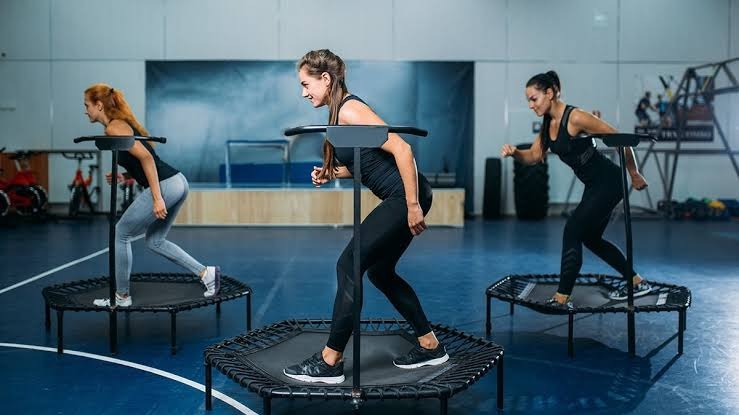
Novelty can fill the first workplace fitness session. It cannot sustain the tenth. Employees may register because the format looks energetic, colleagues are attending or the launch campaign is highly visible. Continued participation depends on less exciting operational details. A company considering trampoline fitness Singapore activities must design for schedule access, skill confidence, progression and workplace culture after the initial curiosity fades.
The decline after launch week is often blamed on employee motivation. That explanation is convenient but incomplete. Participation is shaped by whether people can leave work on time, whether the class feels socially safe, whether movement options are clear and whether anyone owns the programme after the announcement has been sent.
Novelty Creates Trial, Not Commitment
A new format lowers the barrier to the first booking because employees want to see what it is. The launch may include executive support, internal publicity or a special incentive. These conditions create a temporary participation peak.
The second and third sessions answer a different question: does this fit normal work? Employees now know what the class involves. They evaluate commute, preparation time, physical confidence and how managers respond when a meeting overlaps the session.
If the programme was designed only to generate launch registrations, this transition is missed. Organisers continue promoting excitement while employees are dealing with practical friction. Sustainable participation begins when the programme becomes routine rather than exceptional.
Schedule Friction Is Usually More Powerful Than Intention
A class may technically occur outside working hours yet still conflict with work. An evening session can be inaccessible to employees whose meetings regularly overrun. A lunchtime class may fail when participants have no realistic time to change, travel and return.
The useful measure is not the scheduled class duration. It is the total door-to-door interruption. This includes preparation, transport, changing and any buffer required to return to work or continue the evening.
Organisers should examine which teams can actually use the slot. If attendance comes mainly from employees with flexible calendars, the programme may be structurally excluding others. Rotating times, protecting one recurring window or offering multiple cohorts can improve access more effectively than another reminder email.
Manager Behaviour Signals Whether Attendance Is Truly Allowed
A wellbeing policy can state that participation is supported, while daily behaviour communicates the opposite. If managers schedule meetings across the class, expect immediate replies during the session or joke about employees leaving early, participation becomes socially costly.
Employees watch what happens to colleagues who attend. When senior staff protect the time and avoid creating penalties, the programme becomes credible. When only the launch event receives leadership attention, support appears symbolic.
This does not require every manager to join the class. It requires consistent permission. Protected time should be defined, communicated and respected across departments rather than negotiated by each employee every week.
Skill Anxiety Can Hide Behind a Busy-Work Explanation
Trampoline fitness is unfamiliar to many employees. Some may worry about balance, choreography, body size, fitness level or appearing uncoordinated in front of colleagues. Saying “I am too busy” may feel safer than discussing those concerns.
A high-energy promotional video can unintentionally increase anxiety if it shows only advanced movement. Participants need to see that range, cadence and complexity can be scaled. A foundation session can teach equipment setup, basic rebound control and recovery options before the main class intensity is introduced.
Language matters. Describing the class as a competition or a test of courage may attract a small enthusiastic group while discouraging the employees the wellness programme intended to reach. Competence should be built privately and progressively, not assumed at registration.
Progression Prevents the Programme From Becoming Repetitive or Intimidating
If every class is identical, experienced participants may lose interest. If complexity rises quickly, less confident employees may stop attending. The programme needs parallel progression paths.
One path can increase cadence, range or arm complexity. Another can improve consistency at a moderate level. Both represent progress. Instructors should communicate these options as legitimate training choices rather than presenting one as the “real” workout and the other as a concession.
A short block of sessions can have a clear theme, such as landing control, sustained cadence or strength intervals. Employees then understand what is developing across the programme. Random variety may feel entertaining but makes improvement difficult to recognise.
Internal Culture Determines Whether the Class Feels Inclusive
Workplace exercise mixes professional and personal identities. Employees who are comfortable speaking in meetings may feel exposed when learning a physical skill. Team hierarchy can make this more complicated.
Participation should not become a performance evaluation, networking requirement or source of office gossip. Attendance data needs clear privacy boundaries. Photos and videos should require meaningful consent rather than being treated as a condition of joining.
Companies should also consider clothing and facility access. Employees may not have a place to change or store belongings. These details affect who can participate comfortably and should be resolved before attributing low attendance to attitude.
Programme Ownership Must Continue After Launch
Many wellness initiatives have a launch owner but no operational owner. Human resources announces the programme, a vendor delivers the first sessions, and responsibility for attendance problems becomes unclear.
One internal coordinator should manage booking questions, schedule conflicts, feedback and communication with the fitness provider. This person does not need to motivate every employee personally. They need authority to solve recurring friction.
The fitness provider also needs information about the group. Instructor continuity, participant experience and common modifications influence whether each session feels connected to the previous one. A programme is more likely to retain participants when feedback changes delivery.
Research Supports Looking Beyond Individual Motivation
Workplace physical-activity research identifies barriers and facilitators at individual, intervention and organisational levels. A recent review of adherence factors in workplace activity programmes highlighted participant characteristics, programme individualisation and work-environment quality.
This wider view is useful because it prevents a motivational campaign from being used to solve an access problem. If workload and timing block attendance, inspirational messaging adds pressure without changing the system.
Organisers should separate reasons for non-participation. Schedule conflict, physical anxiety, poor communication and low interest require different responses. Combining them into one “engagement” number hides the decision that needs to be made.
Measure the Participation Funnel, Not Just Registrations
Launch registrations are the top of the funnel. More useful measures include first-session attendance, return for a second session, participation across four or more sessions and the percentage of booked places actually used.
Track cancellation timing and reasons where employees are comfortable sharing them. A high rate of late cancellations may indicate work unpredictability. Strong first attendance followed by rapid decline may indicate that the class experience or difficulty did not match expectations.
Participation should also be examined across teams and seniority levels without exposing individuals. If one department cannot attend, investigate managerial or schedule conditions before increasing promotion.
Feedback Must Lead to Visible Changes
Surveys lose credibility when employees repeatedly report the same barrier and nothing changes. Ask fewer, more actionable questions. Was the time usable? Did participants understand scaling options? Did the session feel socially comfortable? What prevented a return booking?
Communicate the response. If the slot changes, explain why. If a foundation session is added, connect it to participant feedback. Visible adaptation shows that the programme belongs to its users rather than existing only as a corporate benefit on paper.
Not every preference can be accommodated, but the decision process should be clear. Transparency helps employees distinguish a genuine constraint from a programme that is simply being neglected.
The Provider and Employer Share Responsibility
The employer controls time, culture and internal communication. The provider controls coaching quality, progression and the class environment. Participation declines when either side assumes the other will solve everything.
Companies working with TFX Singapore on access to xBounce or other structured classes should define roles before launch. Who handles bookings? Who communicates modifications? Who reviews attendance? Who decides whether the schedule changes?
A sustainable workplace fitness programme is an operating system, not an event. The class can be energetic and distinctive, but employees return when the system makes attendance practical and learning comfortable.
Frequently Asked Questions
Why are launch registrations much higher than later attendance?
Novelty and promotion encourage trial. Continued attendance depends on schedule fit, class experience, confidence and workplace support after the launch incentives disappear.
Should workplace trampoline classes be compulsory?
No. Exercise participation should be voluntary, with clear privacy and consent. Compulsion can increase anxiety and undermine the wellbeing purpose.
What participation metric matters most?
Return attendance is more informative than registrations alone. Track how many first-time participants attend again and where the participation funnel loses people.
How can companies support less-confident employees?
Offer foundation instruction, visible scaling options, consent-based media policies and a culture in which moderate participation is treated as legitimate progress.